Electrical Services BLog
Structured Cabling Systems: Complete Guide to Modern Data Infrastructure

In today’s connected world, businesses depend on fast, reliable, and scalable networks to operate efficiently. From office buildings and medical facilities to retail spaces and industrial environments, the foundation of modern communication lies in well-designed, structured cabling systems. Without proper planning and professional installation, network performance can suffer, leading to downtime, slow data speeds, and costly upgrades.
For businesses in The Bronx, NY,
Dudley & Associates Licensed Electrical Contractors, Inc. (D & A Electric) provides expert
structured cabling solutions that support current technology and prepare facilities for future growth. This complete guide explains what structured cabling is, why it matters, and how professional installation makes a long-term difference.
Understanding Structured Cabling and Structured Wiring Systems
Structured cabling refers to a uniform methodology for planning and implementing the telecommunications framework within a facility. Rather than relying on a collection of random wires added over time, structured wiring systems create an organized, centralized framework for voice, data, video, and security communications.
Structured wiring uses a hierarchy of components such as entrance facilities, equipment rooms, telecommunications rooms, backbone cabling, and horizontal cabling. This structure allows multiple systems to operate over the same cabling network, making maintenance and upgrades easier.
Unlike traditional point-to-point wiring, structured cabling offers flexibility. New devices, workstations, or systems can be added without disrupting the entire network. This approach is especially important for growing businesses that need scalable and adaptable data cabling solutions.
Key Components of Structured Cabling Systems
A well-designed, structured cabling system includes several essential elements working together to support reliable data transmission. Each component plays a role in performance, organization, and longevity.
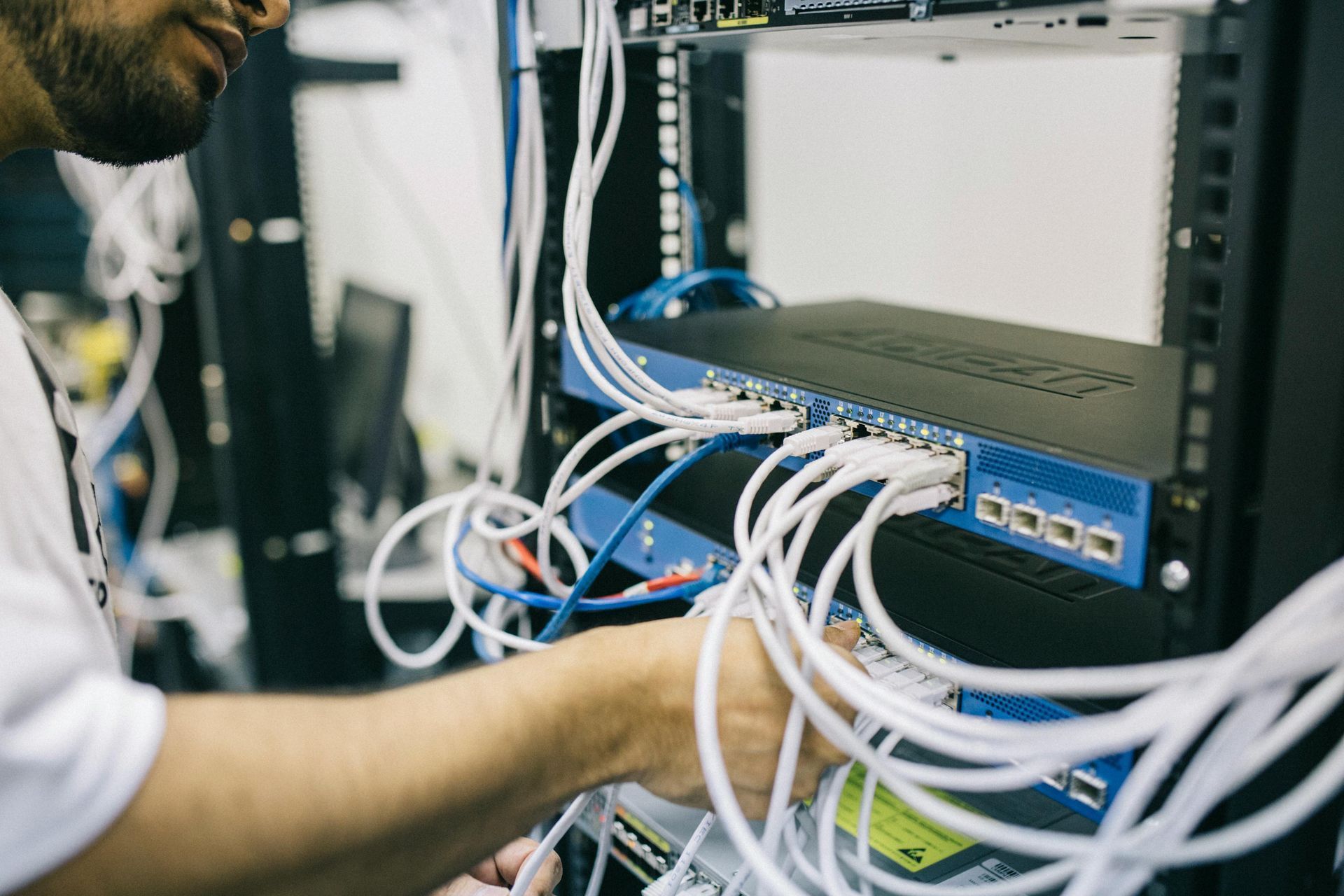
Horizontal cabling connects individual workstations to telecommunications rooms, while backbone cabling links equipment rooms, data centers, and different floors of a building. Patch panels and network racks help manage connections, keeping the system organized and accessible.
Quality data cabling materials, such as Cat6 or fiber optic cables, ensure high-speed data transfer and minimal interference. Labeling and documentation are also critical components, making future troubleshooting faster and reducing downtime.
When these elements are professionally installed, structured cabling systems provide consistent performance and comply with industry standards, ensuring long-term reliability.
Benefits of Commercial Structured Cabling for Businesses
Commercial structured cabling offers significant advantages for businesses of all sizes. One of the most important benefits is improved network performance. Organized cabling reduces signal interference, supports higher bandwidth, and delivers faster, more stable connections.
Another major benefit is scalability. As businesses grow or adopt new technology, structured cabling solutions allow upgrades without costly rewiring. This future-proof approach saves money over time and minimizes operational disruptions.
Structured wiring also improves safety and aesthetics. Proper cable management reduces clutter, lowers fire risks, and creates a cleaner, more professional environment. For commercial properties, this organization is especially important for compliance and inspections.
Finally, commercial structured cabling simplifies troubleshooting. With clearly labeled and organized cables, IT teams can quickly identify issues, reducing downtime and improving productivity.
Structured Cabling Solutions for Modern Technology Needs
Modern businesses rely on more than just computers and phones. Security systems, access control, surveillance cameras, wireless access points, and cloud-based applications all depend on reliable data cabling.
Structured cabling solutions are designed to support these technologies seamlessly. Fiber optic cabling enables high-speed data transmission over long distances, while copper cabling provides cost-effective connectivity for everyday operations. Together, these solutions create a robust infrastructure capable of handling today’s digital demands.
Structured wiring systems also support emerging technologies such as smart building automation and Internet of Things (IoT) devices. With a properly installed cabling framework, businesses can integrate new systems without major disruptions or rewiring.
By investing in professional structured cabling now, companies ensure their infrastructure remains adaptable and competitive in an evolving technological landscape.
Why Professional Installation Matters for Data Cabling
While it may be tempting to cut costs with shortcuts or untrained installers, professional installation is critical for the success of structured cabling systems. Improperly installed data cabling can lead to signal loss, interference, and frequent network failures.
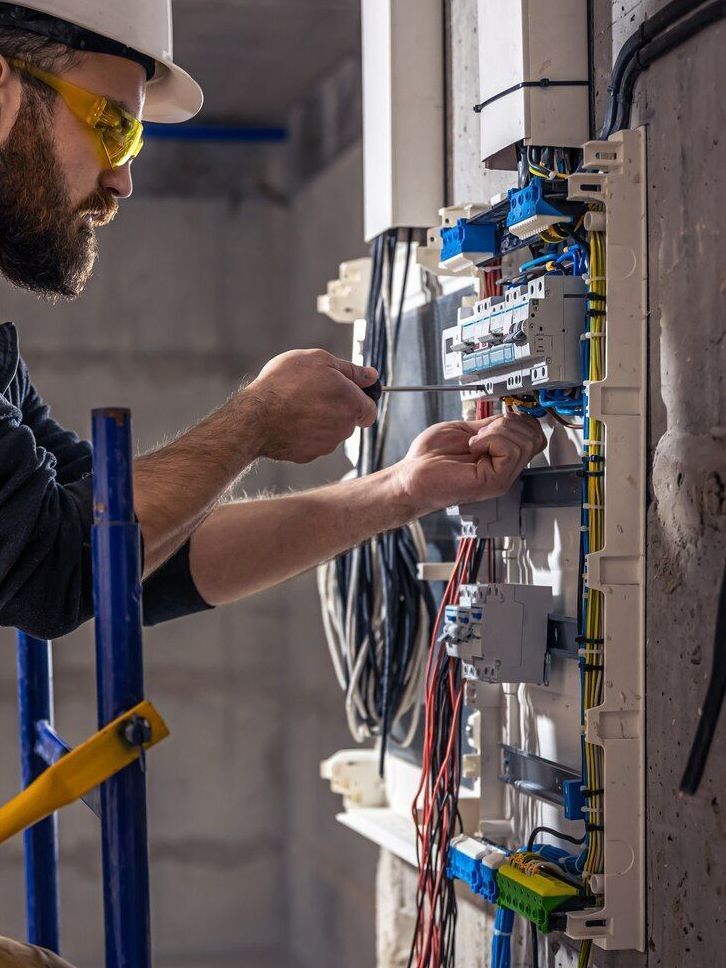
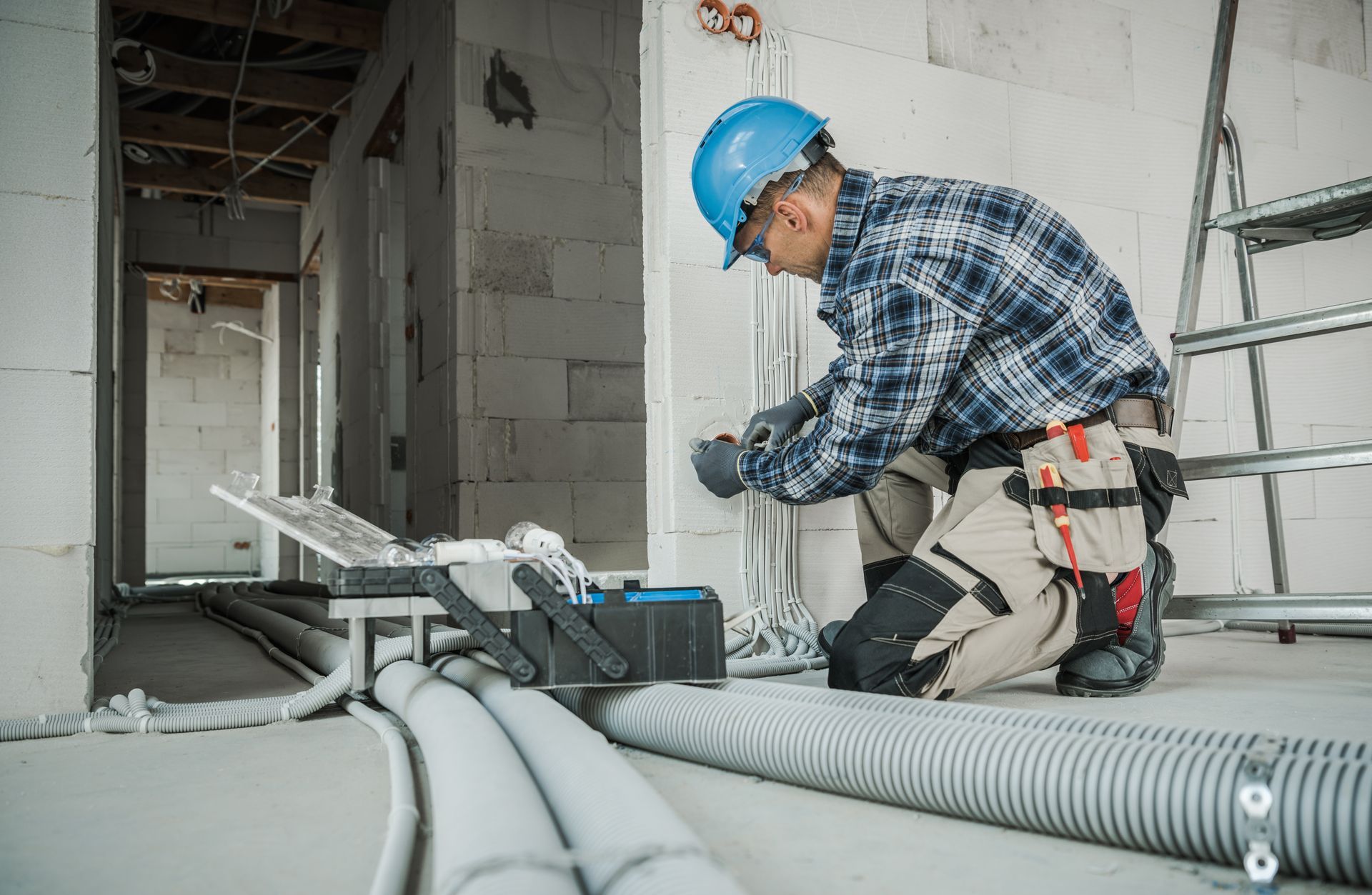
Licensed electrical contractors understand industry standards, local codes, and best practices for commercial structured cabling. They ensure proper cable routing, grounding, termination, and testing, all of which are essential for optimal performance.
Professional installation also includes thorough documentation and labeling, making future maintenance easier and more efficient. This attention to detail protects your investment and ensures your network operates reliably for years to come.
For businesses in The Bronx, NY, working with an experienced electrical contractor ensures structured cabling solutions that meet both current needs and future expansion plans.
Partner With D & A Electric for Reliable Structured Cabling
Dudley & Associates Licensed Electrical Contractors, Inc. (D & A Electric) has built a strong reputation for delivering dependable electrical and data cabling services throughout The Bronx, NY. Our team understands the importance of reliable structured wiring and provides customized solutions for offices, commercial buildings, and industrial facilities.
Whether you need a new structured cabling system, upgrades to existing data cabling, or professional troubleshooting, we deliver quality workmanship and long-term results. Our structured cabling solutions are designed to support your business today and scale with you tomorrow.
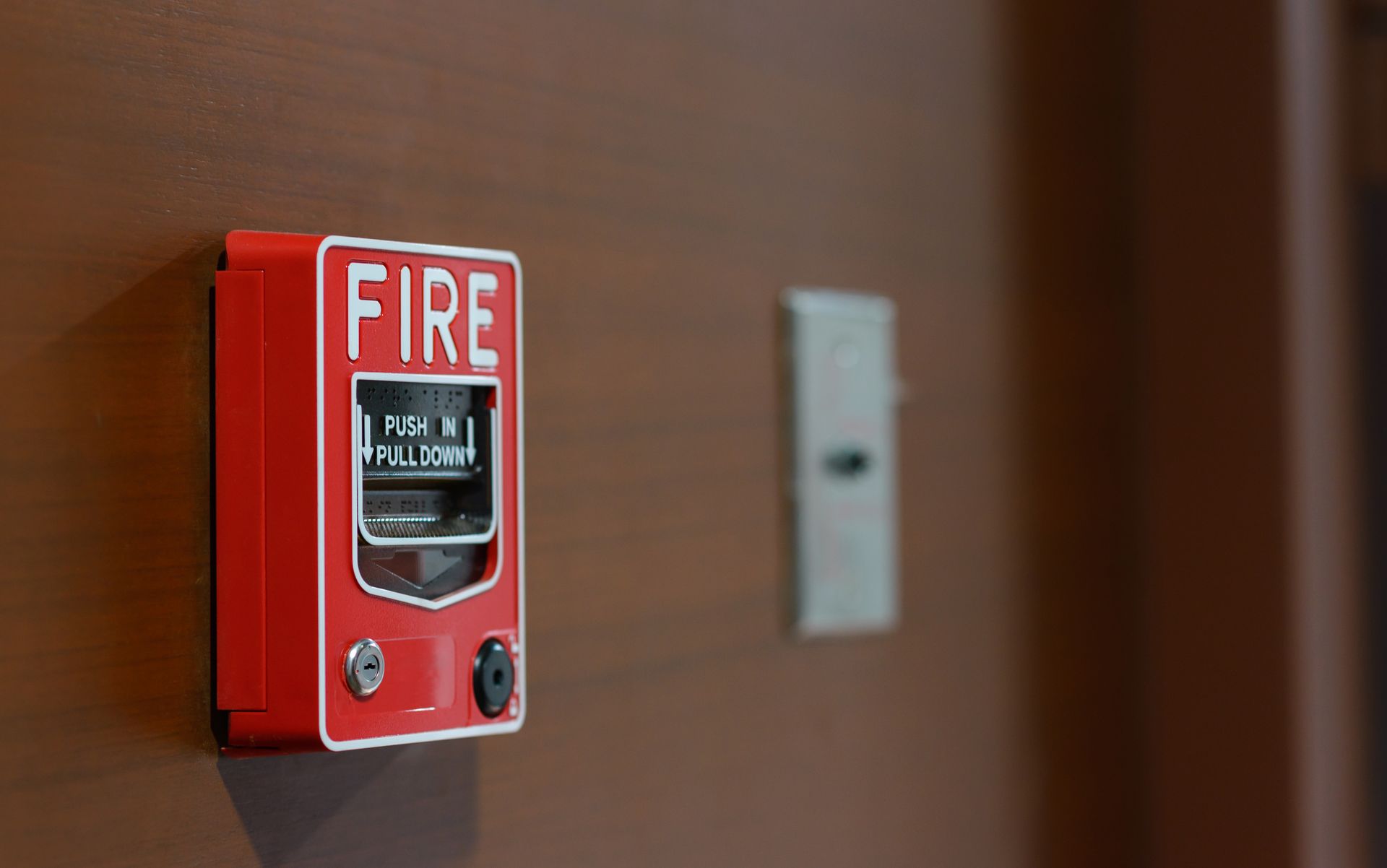
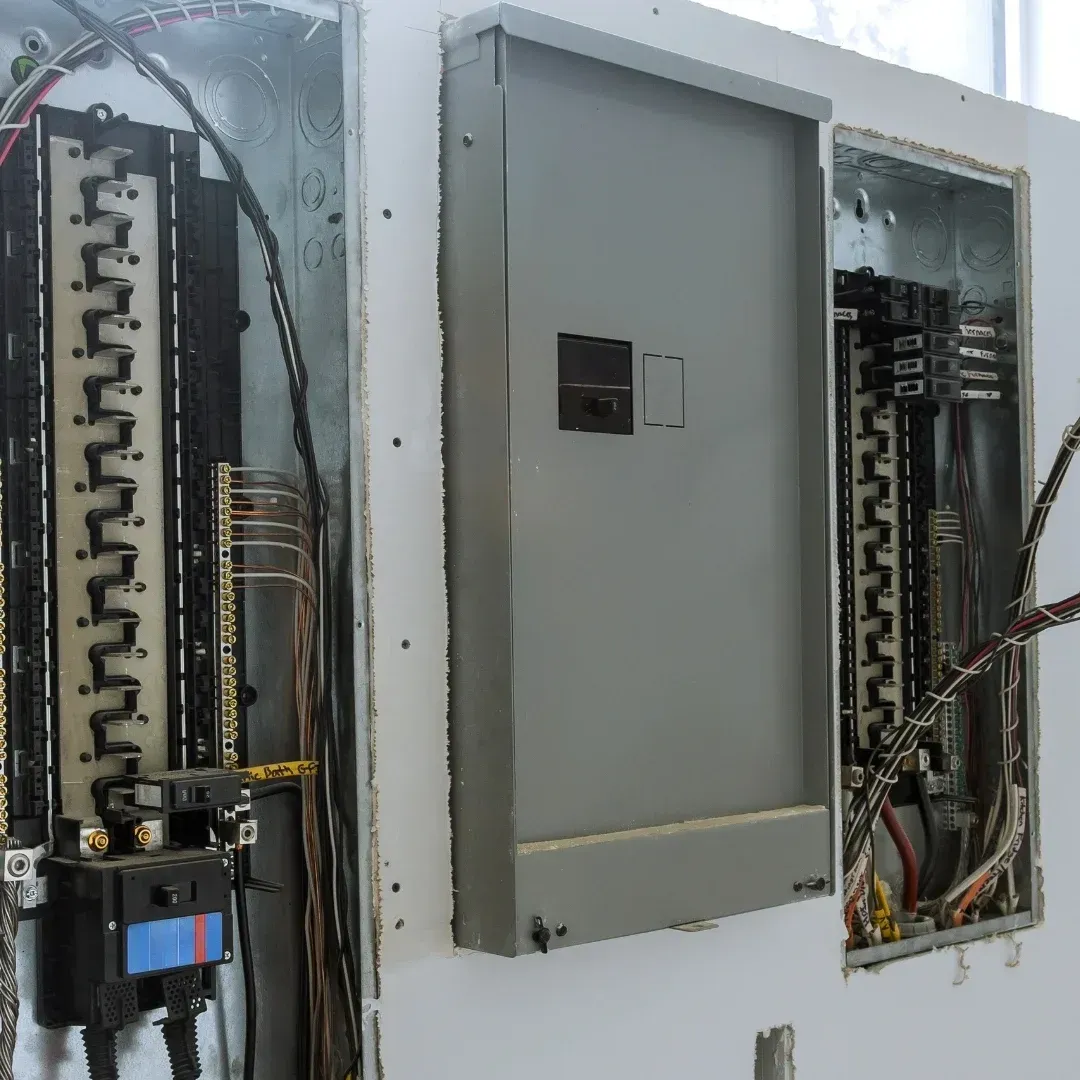
We also handle smart building integration, security wiring, fire alarm system installation, power distribution systems, and more.
If your business needs professional structured cabling or data cabling services, contact Dudley & Associates Licensed Electrical Contractors, Inc. today. Call (718) 588-2822 to schedule a consultation and learn how our expert team can strengthen your data infrastructure.
Frequently Asked Questions
What is the difference between structured cabling and traditional wiring?
Structured cabling uses a standardized, organized framework that supports multiple systems, while traditional wiring often consists of unorganized, point-to-point connections that are harder to maintain and upgrade.
Is structured cabling only for large businesses?
No. Structured wiring systems benefit businesses of all sizes by improving network reliability, scalability, and organization.
How long does a structured cabling system last?
With quality materials and professional installation, structured cabling systems can last 15–20 years while supporting multiple technology upgrades.
Can structured cabling support wireless networks?
Yes. Wireless access points rely on structured data cabling to deliver fast, stable connectivity throughout a facility.
Why should I hire a licensed electrical contractor for structured cabling?
Licensed contractors ensure code compliance, proper installation, system testing, and long-term reliability, protecting your investment and minimizing network issues.