Electrical Services Blog
Is 60-Amp Service Enough for a Bronx Pre-War Building?

Bronx pre-war buildings have character that newer construction cannot easily copy: detailed brickwork, high ceilings, solid walls, and layouts shaped by generations of New Yorkers. Behind those walls, however, the electrical system may still reflect a time when a few lights, a radio, and a refrigerator made up most of a household’s demand.
That does not mean every old panel is unsafe or every building needs the same upgrade. It does mean that
60-amp service can become the electrical equivalent of a narrow doorway during rush hour when air conditioners, kitchen appliances, laundry equipment, computers, and other loads compete for limited capacity.
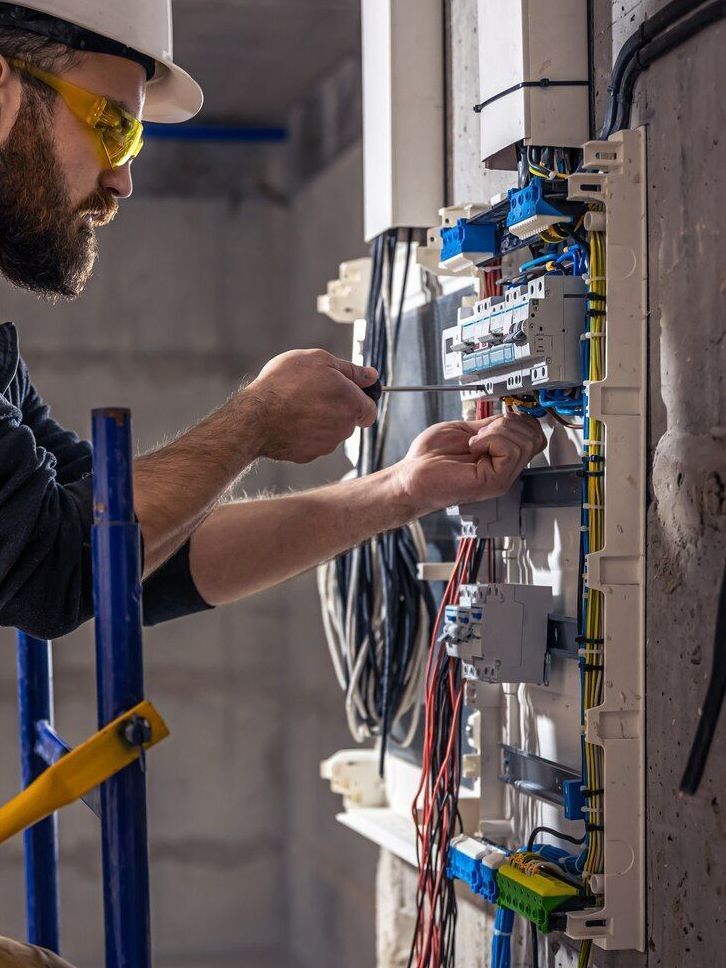
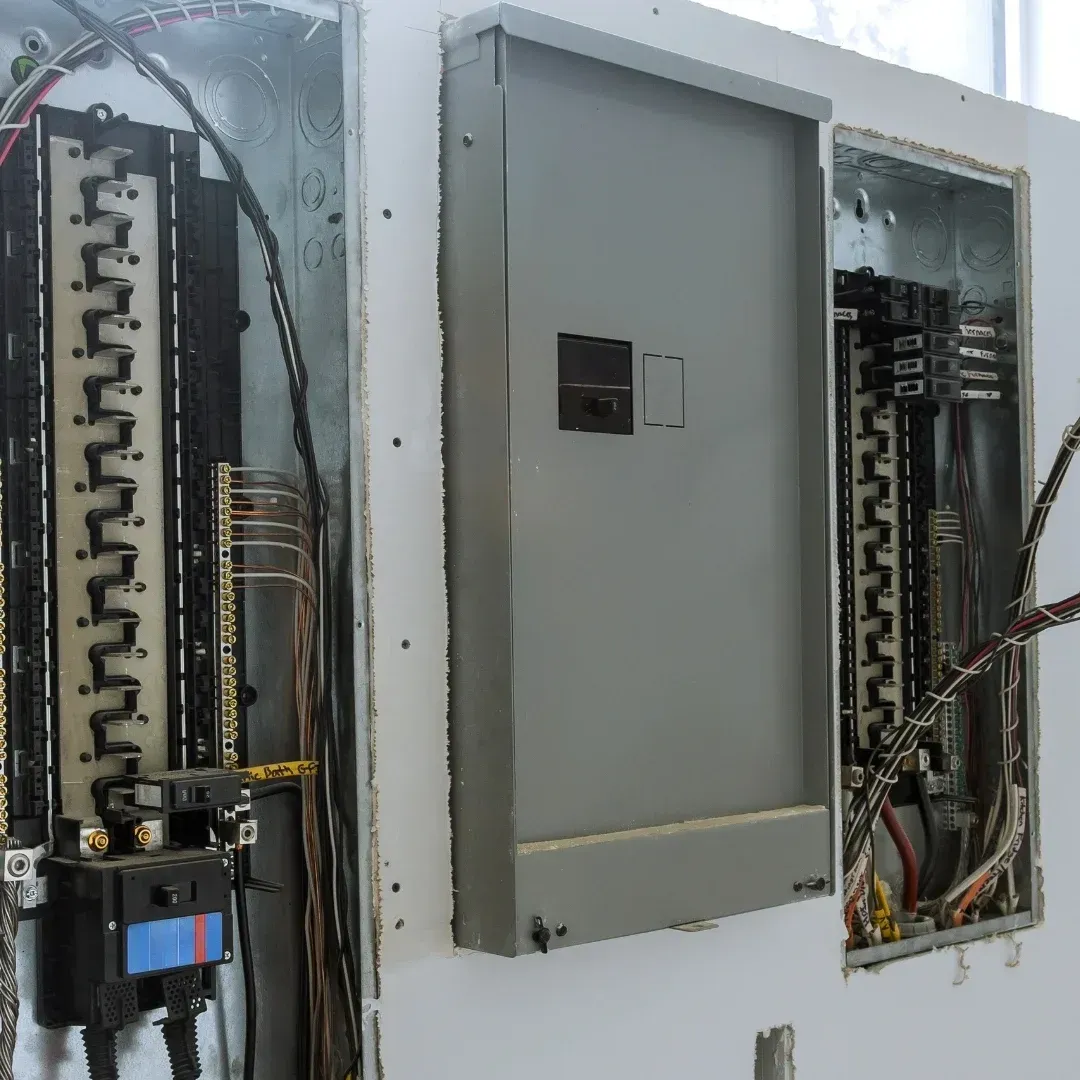
A professional electrical panel upgrade in the Bronx begins by checking the condition of the entire system and calculating what the property actually needs.
Why Can 60-Amp Service Be a Problem?
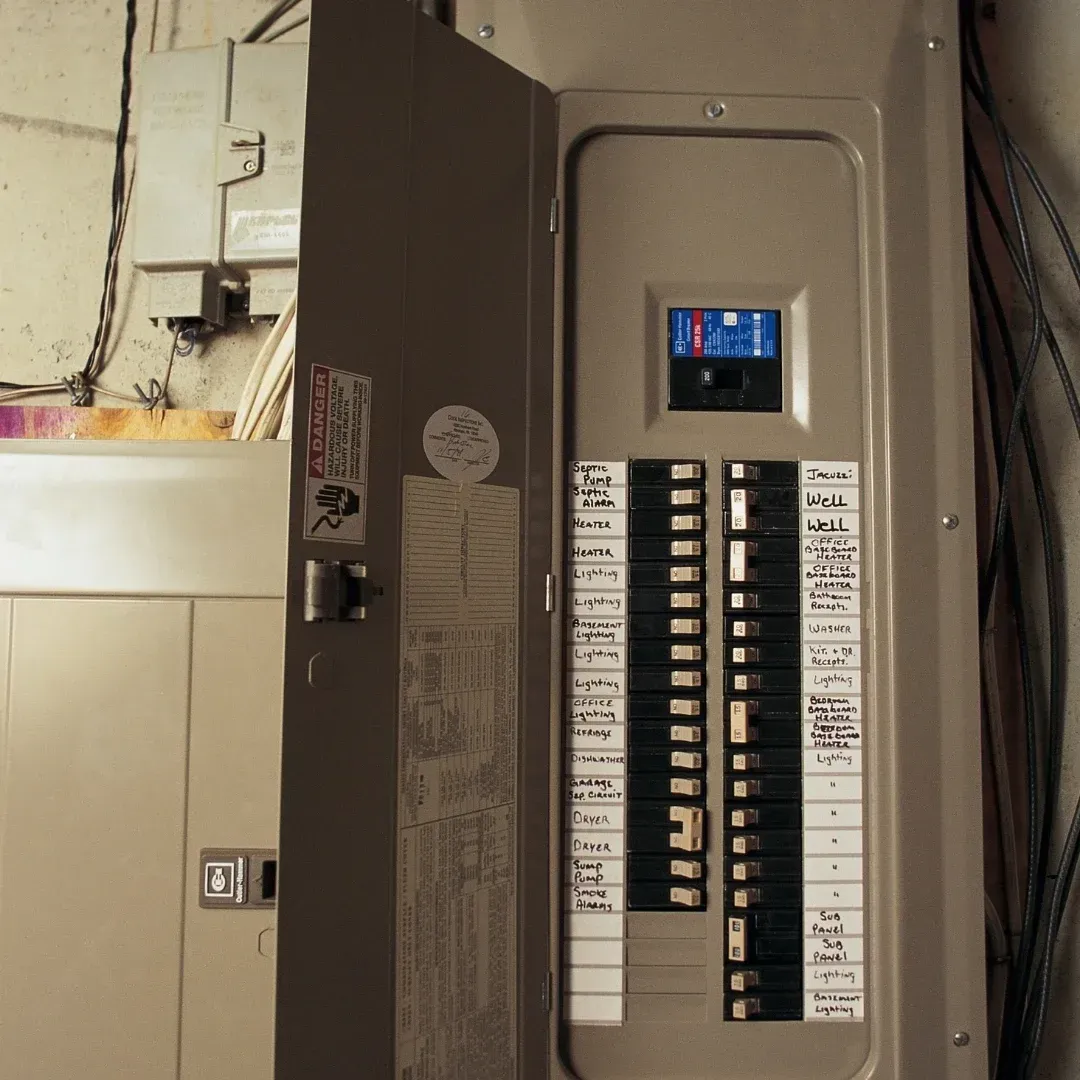
A 60-amp service may be inadequate when a home or building’s calculated electrical demand exceeds its available capacity. The number on the main disconnect is only part of the picture; an electrician must also inspect the panel, service conductors, grounding, feeders, branch circuits, and planned future loads.
Warning signs include:
- Breakers that trip or fuses that blow during normal use
- Lights that flicker or dim when an appliance starts
- Buzzing, crackling, heat, discoloration, or a burning smell near the panel
- Rust, water damage, or corrosion on electrical equipment
- Too few circuits for modern appliances
- Extension cords or power strips being used as permanent wiring
- Renovation plans that the current system cannot support
A burning odor, sparks, smoke, or a hot panel needs immediate attention. Review these electrical problems requiring 24/7 professional service and contact a licensed electrician rather than opening or touching the equipment.
Why Do Bronx Pre-War Buildings Need Broader Planning?
A pre-war building may need more than a new breaker box. Years of repairs and renovations can leave a property with mixed wiring types, crowded panels, undersized feeders, old meter equipment, and electrical additions completed at different times.
Older Wiring and Patchwork Renovations
Replacing a panel does not automatically correct unsafe or undersized wiring connected to it. A renovated kitchen may have modern circuits while bedrooms, common areas, or basement equipment still rely on older wiring.
The electrician should
identify damaged conductors, improper splices, overloaded circuits, grounding concerns, and any branch-circuit work needed alongside the panel project. This prevents a new panel from becoming a cosmetic solution to problems elsewhere in the system.

Shared Loads in Multifamily Buildings
Apartment buildings require a building-wide view. Individual unit panels may share capacity with hallway lighting, elevators, pumps, laundry rooms, boilers, security equipment, and other house loads.
Adding capacity to one apartment does not necessarily increase the building’s total available service. Property owners may need to
evaluate unit panels, meter banks, feeders, risers, house panels, and the utility connection before approving major renovations or new equipment.
Electrification and Local Law 97
Local Law 97 does not automatically require an electrical panel upgrade. Most NYC buildings over 25,000 square feet must meet emissions limits that began in 2024, with stricter limits beginning in 2030, but each property needs its own compliance plan. The NYC Department of Buildings’ Local Law 97 guidance explains current coverage and requirements.
Owners considering heat pumps, electric water heating, or other fuel-to-electric changes should confirm that the building’s service and distribution system can support the added load. Depending on the project, that may involve
panel work, larger feeders or risers, service changes, load management, or utility coordination.
When Is an Electrical Panel Upgrade in the Bronx Needed?
An upgrade is commonly recommended when equipment is damaged, obsolete, improperly modified, or unable to support the property’s calculated present and future demand. An inspection should determine the scope rather than assuming every 60-amp service needs the same solution.
Schedule an assessment when:
- The main disconnect is rated at 60 amps or the property still has a fuse box.
- Breakers trip or fuses blow repeatedly during normal use.
- The panel is corroded, overheated, crowded, or damaged.
- You are adding central air, heat pumps, an electric range, laundry equipment, or EV charging.
- A renovation will add rooms, circuits, kitchens, or high-demand appliances.
- A lender, insurer, architect, or inspection report raises electrical concerns.
- The building needs more capacity for electrification or tenant improvements.
For additional planning guidance, read when and why you may need panel replacement.
Panel Replacement and Service Upgrade Are Not the Same
A panel replacement changes the distribution equipment inside the property. A service upgrade increases or modifies the electrical supply and may affect conductors, meters, disconnects, utility equipment, and other parts of the system.
| Possible Scope | What It May Involve |
|---|---|
| Panel replacement only | A new panel and breakers using the existing approved service capacity |
| Service upgrade | Larger service conductors, disconnects, grounding, and utility coordination |
| Meter work | New or modified meter equipment, especially in multifamily properties |
| Feeder or riser upgrade | Larger conductors serving apartments, floors, or subpanels |
| Subpanel changes | Added or replaced distribution panels in separate areas |
| Branch-circuit corrections | Repairing unsafe, damaged, or undersized circuits |
A larger panel does not create additional usable power if the service conductors or utility supply remain unchanged. A licensed contractor must evaluate the full path from the utility connection to the circuits serving the property.
What Does a Professional Upgrade Involve?
A professional project starts with an inspection and load calculation, then moves through design, filing, installation, and required inspections. The steps vary for a single-family home, apartment building, commercial property, or complete service upgrade.
A typical project includes:
- Inspecting the existing panel, meters, service conductors, grounding, feeders, and visible wiring
- Calculating current demand and planned future loads
- Separating panel work from any service, meter, riser, feeder, or circuit changes
- Selecting correctly rated panels, breakers, disconnects, and related equipment
- Submitting required NYC Department of Buildings filings
- Coordinating utility work with Con Edison when the incoming service must change
- Installing and accurately labeling the approved equipment
- Completing the required DOB and utility inspections
For a Con Edison service change, the licensed contractor generally submits a work request through the utility’s Building and Remodeling Project Center.
D & A Electric provides panel replacement and upgrade services for residential, commercial, and multifamily properties in The Bronx. Its service information states that the company handles permitting and code-compliance requirements for panel projects.
What Size Service Does a Pre-War Property Need?
There is no universal answer. Many homes use 100-, 150-, or 200-amp service, while larger multifamily and commercial buildings require a project-specific design based on their total loads and distribution systems.
The correct capacity depends on:
- Existing and planned appliances
- Heating, cooling, and hot-water equipment
- Number of apartments or commercial spaces
- Shared building loads
- EV charging plans
- Feeder, riser, and meter capacity
- Available utility service
- Future renovation or electrification plans
Installing the largest available panel is not a substitute for a load calculation. The goal is a coordinated system that safely supports the property without unnecessary work.
Do EV Chargers and Lithium-Ion Batteries Require Panel Work?
EV charging may require a dedicated circuit, load-management equipment, a panel replacement, or a complete service upgrade. The answer depends on charger capacity, existing demand, available service, and the number of vehicles being served.
Lithium-ion battery safety is a separate issue. A larger panel cannot prevent a damaged, uncertified, or improperly stored e-bike or e-scooter battery from overheating or entering thermal runaway.
FDNY reported 1 lithium-ion battery fire death in 2025, down from 6 in 2024 and 18 in 2023. The department continues to warn that uncertified, damaged, or incorrectly stored batteries remain a serious fire risk.
Follow FDNY lithium-ion battery safety guidance, including:
- Use certified devices, batteries, and compatible chargers.
- Plug the charger directly into a wall outlet.
- Do not charge in bedrooms or near exits.
- Keep batteries away from combustible materials.
- Stop using batteries that swell, leak, overheat, smell unusual, or make strange noises.
- Charge and store devices outside where possible.

What Are the Current NYC Permit and Code Requirements?
Electrical filings are submitted through DOB NOW: Build, while Electrical Development Inspection requests are currently managed through DOB NOW: Inspections Plus. The licensed contractor handles these filing and inspection steps.
The
2025 New York City Electrical Code took full effect on December 21, 2025. It is based on the 2020 edition of NFPA 70, the National Electrical Code, with New York City amendments, and current filings must follow the applicable DOB requirements.
Since June 29, 2026:
- DOB NOW: Build electrical filings have included updated questions and requirements for the 2025 Electrical Code.
- Electrical Development Inspection requests have been managed through DOB NOW: Inspections Plus instead of the previous inspections module.
These platform details are usually handled by the licensed contractor, but they are useful for property managers and owners tracking larger projects, objections, inspections, and final closeout.
Preserve the Building, Including What Is Behind the Walls
The right first step to preserve Bronx pre-war buildings is an inspection and load calculation. Speak with a licensed Bronx electrician about the difference between a panel replacement and a complete service upgrade. D & A Electric provides licensed residential and commercial electrical services in The Bronx and offers 24/7 emergency support.
Call
D & A Electric at
(718) 588-2822 to schedule an electrical panel assessment before a limited system becomes a renovation delay, recurring outage, or serious safety problem.
FAQs About Electrical Panel Upgrades for Bronx Pre-War Buildings
How can I tell whether I have 60-amp service?
Look for the rating printed on the main disconnect or main fuse, but do not remove the panel cover. A “60A” label or an older fuse box may indicate 60-amp service; a licensed electrician can confirm the rating and inspect the equipment safely.
Is an upgrade always required before renovation?
No. The need depends on the existing system, calculated load, wiring condition, and equipment being added. An early electrical assessment can prevent redesigns, permit delays, and unexpected costs during construction.
How long does a panel upgrade take?
A straightforward residential panel replacement may be completed in one working day. Service changes, utility work, multifamily distribution upgrades, repairs, permits, and inspections can extend the overall project schedule.
Will a new panel stop flickering lights?
Only when the panel or inadequate capacity is the cause. Flickering can also result from loose connections, overloaded branch circuits, damaged wiring, failing devices, or a utility-side problem, so diagnosis should come before replacement.
Will an electrical upgrade increase property value?
A safe, permitted, and documented electrical system can make a property more attractive to buyers and support future renovations or modern equipment. The exact effect on value depends on the building, completed work, available documentation, and market conditions.